
Digital art has revolutionised the creative industry, offering artists new tools and possibilities. It is also a wonderful thing for the user. You can display it on your TVs, print it in hi-res or even ask the artist if he/she can adjust the colours to suit your home’s decor!
There are some key advantages of digital art over traditional methods.
Why more artists are going digital
Accessibility & Convenience
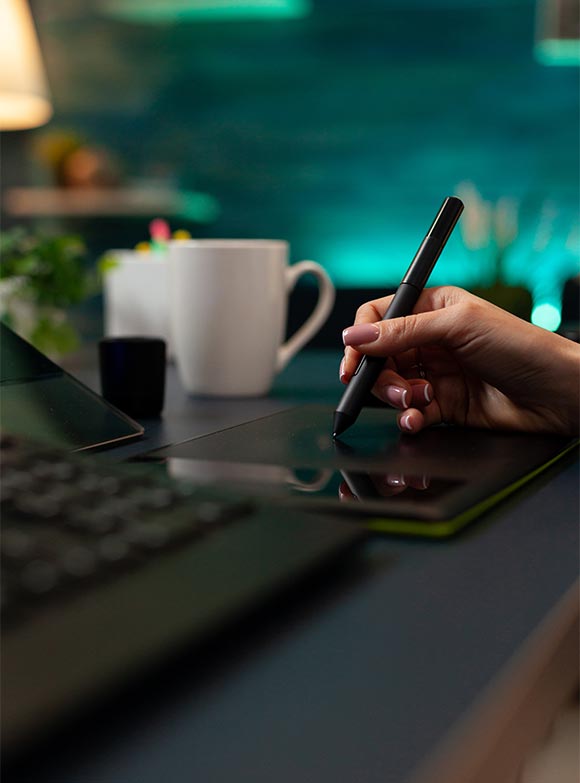
Digital art eliminates the need for physical materials like paint, paper, or canvases. With just a tablet, stylus, and software, artists can create anywhere, anytime. You can work while at your favourite cafe!
Undo & Edit Easily
Mistakes are no longer permanent—digital art allows for unlimited “undo” actions, layer adjustments, and non-destructive editing, making experimentation stress-free. This is a level of freedom that artists have never had before and leads to multi-use, but also multi-idea art.
Cost-Effective in the Long Run
While initial hardware/software costs may be high, digital art saves money over time by removing the need for recurring purchases of traditional supplies. Until one starts buying paints and canvases and mediums and brushes and pencils and……and……
And more….
Endless Creative Tools
Digital programs offer brushes, textures, and effects that would be difficult or impossible to replicate traditionally. Features like symmetry tools, 3D modelling, and AI-assisted art expand creative possibilities to the level that it is probably impossible to replicate digital art with traditional methods.
Faster Workflow & Efficiency
Techniques like copy-pasting, transforming elements, and using shortcuts speed up the creative process, making digital art ideal for professional deadlines. It is also excellent for this who want to keep up a level of output. Many artists know that to improve one must do the work. Digital Art makes this much easier.
Easy Sharing & Distribution
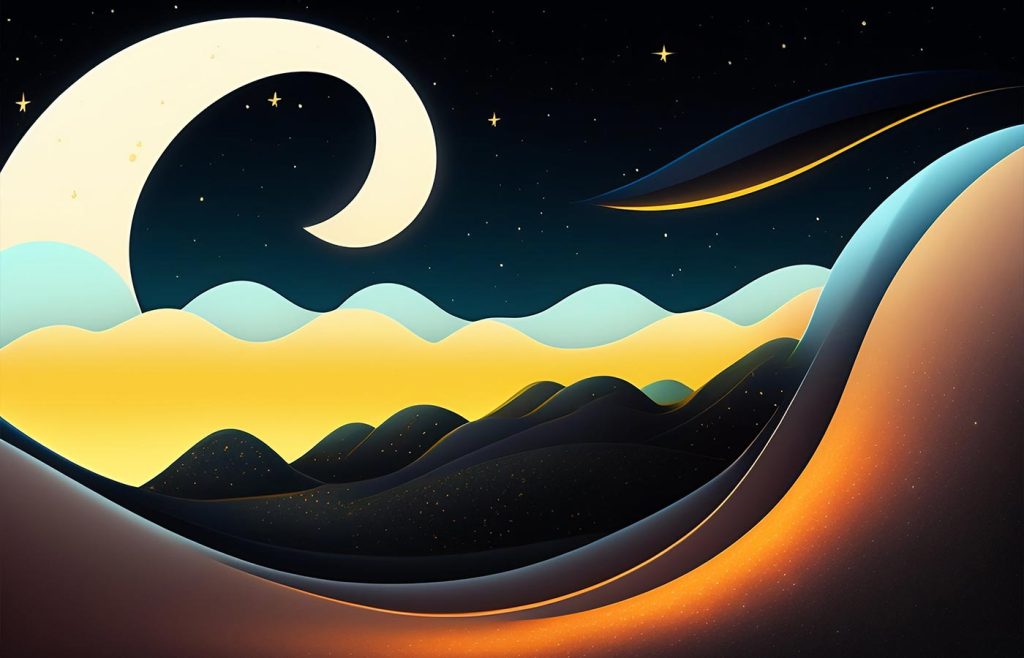
Digital files can be instantly shared online, printed in high quality, or adapted for different formats (e.g., NFTs, animations, social media). This gives artist so many more avenues to sell the same piece. They can colour to suit, easily change the mood or add features if required, while still retaining the original. This also means that the same piece can be adapted and used many times, something not possible with physical art.
Environmentally, reducing the use of physical materials like paper, paint, and solvents makes digital art a more sustainable option, and in the long run, may be the only option apart from linen canvas as resources become more scarce.
Versatility Across Industries
Digital art skills are valuable in gaming, animation, advertising, and web design, offering diverse career opportunities and multi-use, multi-stream work.
“Digital art is the future because it’s limitless—it can be anything, change anytime, and exist everywhere at once.”— Android Jones, digital painter & VR artist
“Art and technology have always been intertwined. Digital art is just the next evolution in human creativity.”— John Lasseter, Pixar co-founder
How to Display Digital Art on a TV
USB/HDMI: Save digital art files (JPEG, PNG, or video loops) on a USB drive or connect a laptop/tablet via HDMI for direct display.
Smart TVs: Most smart TVs (Samsung, LG, Sony, etc.) support apps like Google Arts & Culture, YouTube Art Slideshows, or dedicated digital art platforms (e.g., Meural, Electric Objects).
Streaming Devices: If your TV isn’t smart, you can use a Fire Stick, Apple TV, Roku, or Chromecast to stream digital art via apps or screen mirroring.
Best TVs for Digital Art Display
- Samsung “The Frame” – Designed like a picture frame with an art mode and built-in art store.
- LG OLED TVs – Stunning colors and deep blacks for high-end digital art.
- Any 4K/8K TV – Higher resolution ensures crisp, detailed artwork.
Tips for the Best Experience
- Use “Gallery Mode” (on Samsung/LG) to reduce burn-in on OLED screens.
- Set a slideshow timer to rotate artwork automatically.
- Adjust brightness/color settings to match ambient lighting.
Conclusion
Digital art combines flexibility, efficiency, and innovation, making it an essential medium for modern artists. It opens the doorway for so many, from hobbyists to users, from collectors to homemakers, its accessibility will shape the look of the modern world. Although it can never replace the sensory experience of a physical artist (particularly with oil paint), without question it will continue to shape the future of creativity in a technocratic world.